
A Complete Guide to Preparing Your Cedar Privacy Fencing for Winter
As the leaves begin to drop and we prepare for the inevitable temperature swings that define life along the Front Range, many homeowners start tackling their seasonal home maintenance lists. While cleaning gutters and winterizing sprinkler systems usually take top priority, one essential area often gets overlooked: the backyard fence. Winter weather can be incredibly harsh on untreated wood, making it crucial to take proactive steps to protect your investment.
Taking the time to properly maintain your outdoor structures not only preserves their visual appeal but also extends their lifespan significantly. Cedar is a fantastic material for our local climate, but even the best wood needs a little help to survive freezing temperatures, heavy snow loads, and the eventual thaw. In this guide, we will walk you through the essential steps for preparing a cedar fence for winter snow and ensuring it remains standing strong for years to come.
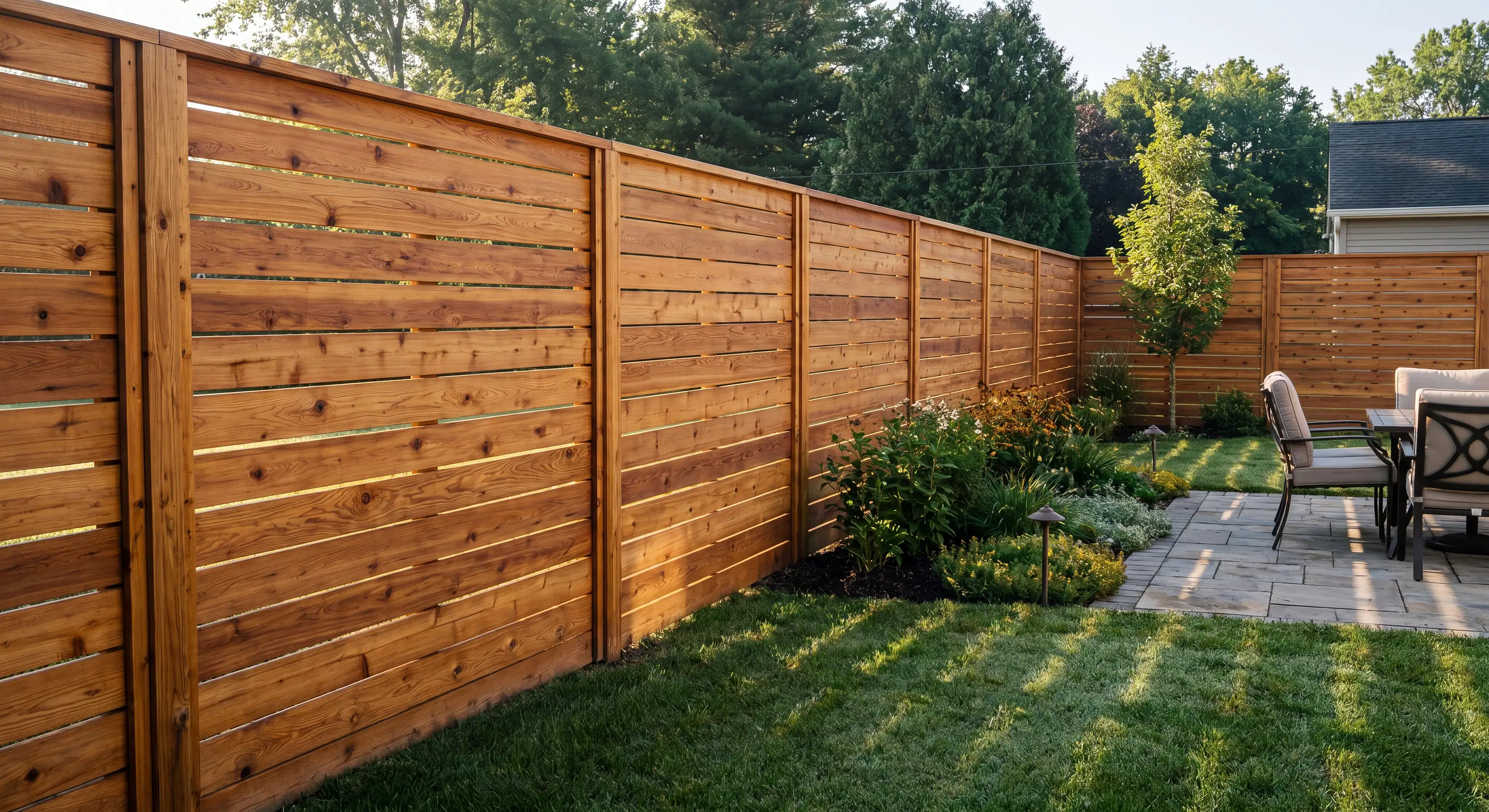
Start with a Fall Wood Fence Maintenance Checklist
Before the first heavy winter storm rolls in, it is wise to walk the perimeter of your yard and conduct a thorough inspection. Catching minor issues early can prevent them from turning into major structural failures when the snow piles up.
Begin by checking the stability of your fence posts. The freeze-thaw cycles common in our region can cause the ground to shift, which might loosen the posts over time. If a post wobbles easily, it may need to be re-secured or replaced before the ground freezes solid. Next, inspect the individual pickets and rails. Look for loose boards, protruding nails, or signs of rot near the bottom where the wood meets the soil.
It is also highly recommended to clear away any built-up organic debris from the base of your fence. Fallen leaves, tall grass, and weeds trap moisture against the wood, accelerating decay. By keeping the bottom edge clear, you prevent prolonged exposure to dampness, which is an important step in protecting a cedar fence from snow damage when drifts start to accumulate.
How to Winterize a Cedar Privacy Fence
Cedar is naturally resistant to decay and insects, which makes it a sustainable and highly popular choice for property owners looking for reliable security and aesthetics. However, it still requires maintenance to block out excessive moisture. When learning how to winterize a cedar privacy fence, the most critical step is ensuring the wood is properly sealed.
Start by giving your fence a good cleaning. You can use a gentle wood cleaner and a soft-bristled brush to remove surface dirt, mildew, and old, flaking stain. If you choose to power wash, use a low-pressure setting to avoid splintering the soft cedar fibers. Once the wood is completely dry—ideally after a few consecutive sunny days—it is time to apply a high-quality, water-repellent sealant or a penetrating stain.
Applying a fresh coat of stain creates a vital barrier against the elements. When the snow eventually melts during a warm afternoon and freezes again overnight, water expands. If that water has seeped into the wood grain, it can cause the cedar to crack, warp, or split. A good sealant prevents this water intrusion, ensuring your fence holds up beautifully well past the messy slush of mud season in the spring.
Building for the Elements: Why Construction Matters
Sometimes, a routine fall inspection reveals that an aging fence is simply beyond repair. If you are considering a new installation, understanding how a fence is built is just as important as the materials you select. Homeowners frequently ask how to choose a trustworthy general contractor and what specific building practices ensure a fence will actually last in our fluctuating climate.
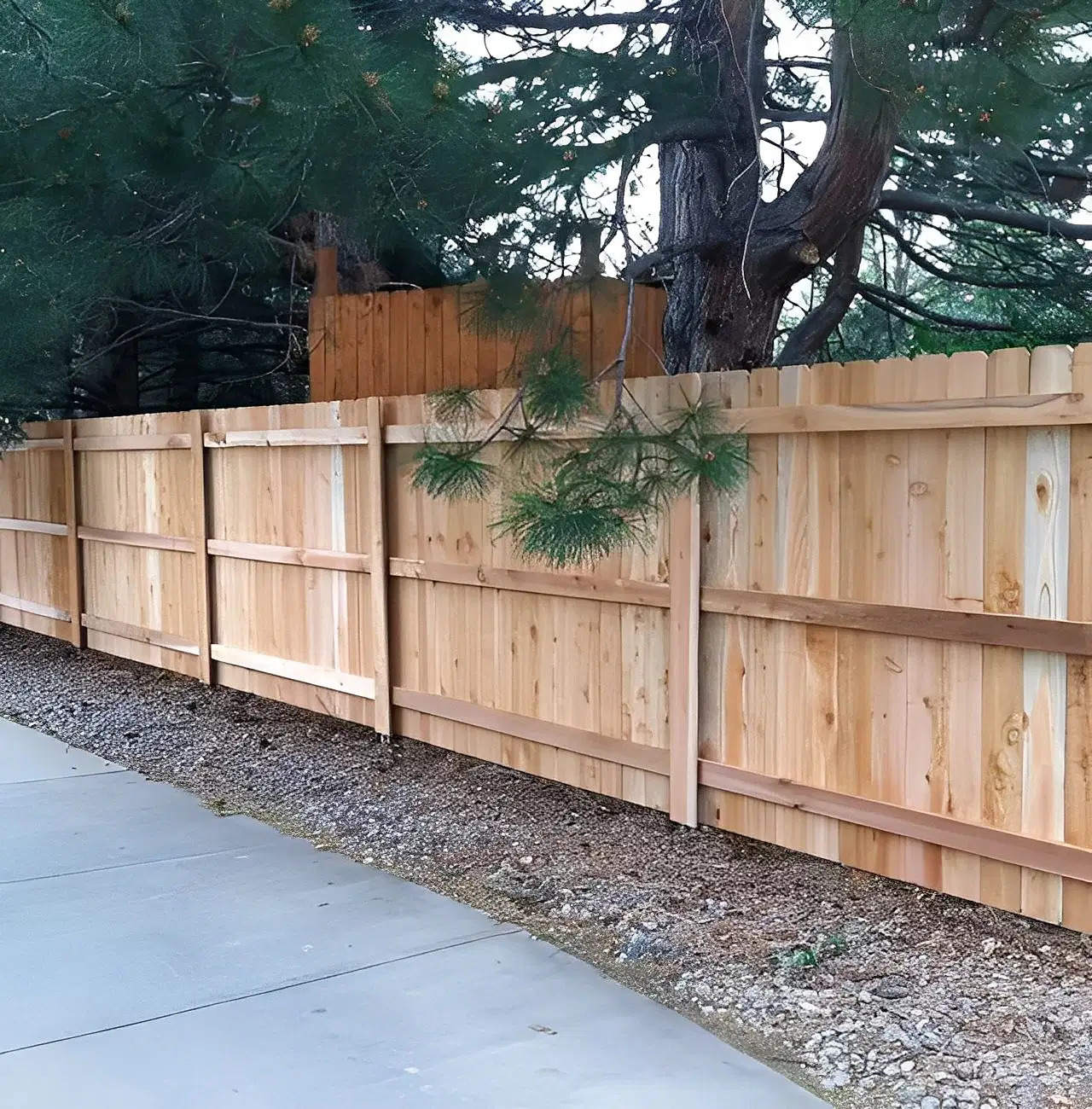
At Summit Fence Company, our cedar fence installations are designed specifically to withstand local weather challenges. We utilize premium-grade cedar materials built on a robust 3-rail structure. Many standard builder-grade fences only use two horizontal rails, which can lead to warping and bowing under the weight of heavy, wet snow. A 3-rail system provides significant wind resistance and long-term stability, ensuring the structure stays true and straight.
Furthermore, the team building your fence matters immensely. We pride ourselves on using our own dedicated employee crews rather than outsourcing to subcontractors. This allows us to maintain strict quality control from the initial free estimate all the way to the final inspection. We believe in transparent communication and clear project management, so you know exactly what is happening in your backyard at all times. When you hire a fully licensed and insured contractor who relies on continuous quality checks, you eliminate the guesswork and stress often associated with home improvement projects.
Trust the Experts with Your Winter Fence Preparations
Taking proactive steps today ensures that your outdoor spaces remain secure, safe, and visually appealing all year round. Whether you need to catch up on a few maintenance tasks on a clear bluebird day or you are ready to completely upgrade your property's perimeter before the deep freeze sets in, a solid plan is your best defense against the weather.
If you are located in the Colorado Springs area and need professional guidance or a free, accurate estimate on your next project, our team is here to help. Explore our comprehensive residential fencing solutions to see how we can enhance your property, or learn more about the specific benefits of installing a custom cedar privacy fence. Reach out to Summit Fence Company today, and let us help you build something strong enough to stand the test of time.