
Fence Post Stability in Expansive Colorado Soils: A Guide to Lasting Fences
When you invest in a new fence for your home or business, you expect it to stand tall and straight for years to come. However, property owners in Colorado Springs often discover that keeping a fence perfectly aligned is a unique challenge. The culprit isn't just the wind or the weather; it is the very ground beneath our feet. Expansive soils are a well-known geographical feature of our area, and they can wreak havoc on outdoor structures if not properly managed. Understanding how to navigate these soil conditions is the first step toward ensuring your property's perimeter remains secure, beautiful, and structurally sound.
The Hidden Challenge: Understanding Expansive Soils
If you have ever noticed a fence line that looks like a roller coaster, you have likely witnessed the effects of expansive soil. Much of the Front Range is rich in bentonite clay. This type of soil acts like a sponge. When it rains or when snow melts, the clay absorbs the moisture and expands significantly. During our dry spells, the soil loses that moisture and shrinks.
This constant swelling and shrinking creates immense pressure on anything buried in the ground, including fence posts. When the soil expands, it grips the rough edges of a concrete footing and pushes it upward—a process known as fence post heaving. Combine this with our region's freeze-thaw cycles, where trapped water turns to ice and expands even further, and you have a recipe for structural failure. Preventing fence post heaving requires more than just digging a hole and pouring concrete; it requires a deep understanding of local geology and specialized installation techniques.
Setting Fence Posts in Expansive Soil: The Right Way
Achieving true structural integrity for outdoor fencing in these conditions comes down to meticulous installation practices. At Summit Fence Company, our core philosophy is built on delivering high-quality, long-lasting results, which is why we never cut corners during the foundation phase.
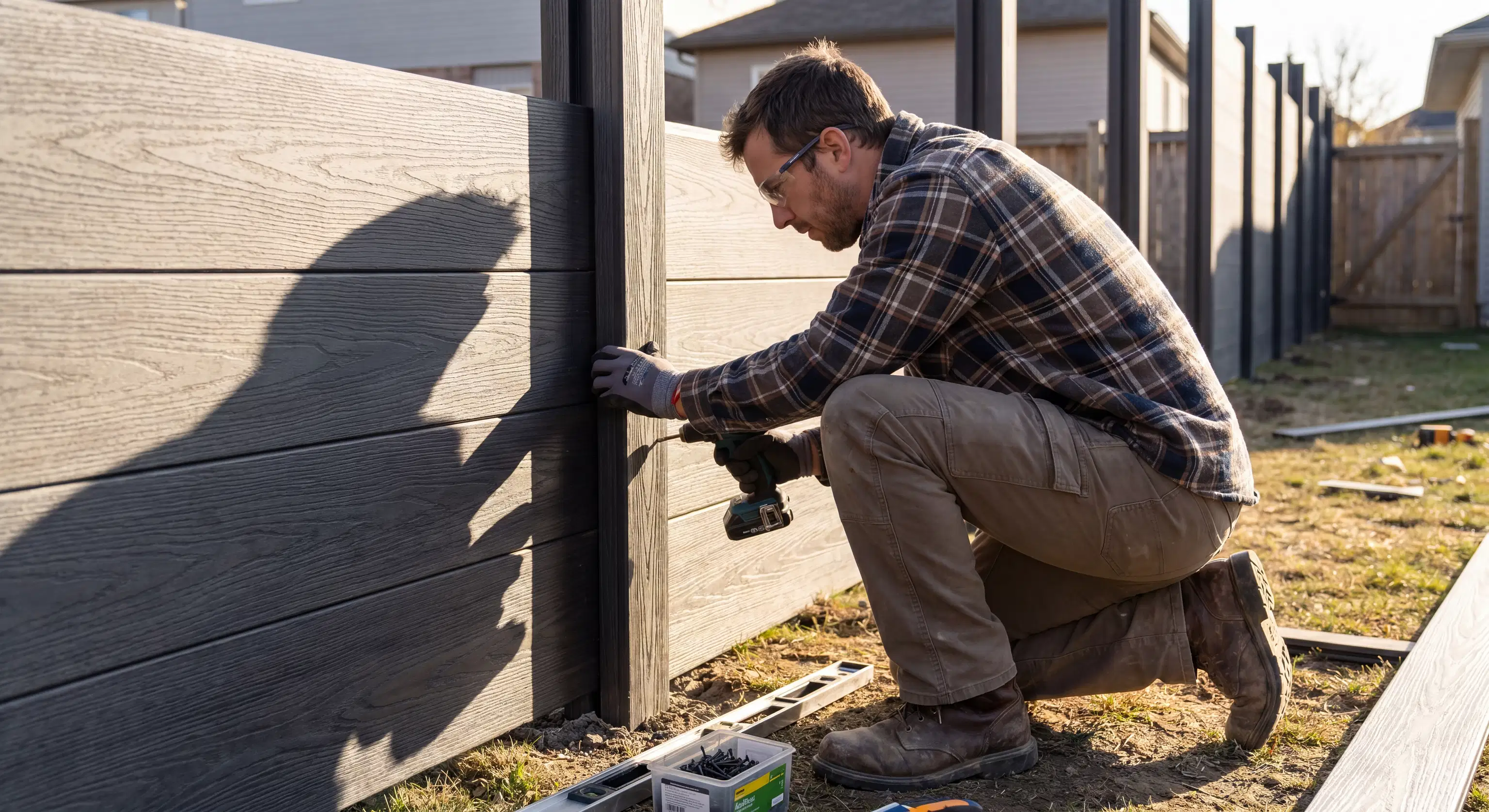
First, depth is non-negotiable. Posts must be set well below the local frost line to prevent the freeze-thaw cycle from pushing them upward. But depth alone isn't enough. The shape of the hole matters immensely. We utilize specific digging techniques that create a smooth-sided hole, often wider at the bottom than at the top. This bell-shaped footing anchors the post securely, giving the expanding clay nothing to grip onto as it swells upward.
Furthermore, proper drainage is critical. Ensuring that water flows away from the base of the posts prevents the soil immediately surrounding the concrete from becoming overly saturated. Because we use our own direct employees rather than relying on subcontractors, we maintain strict quality control over every single post hole dug and every batch of concrete mixed. This consistency is what guarantees durable fence foundation techniques across all our projects, providing peace of mind that your investment is protected from the ground up.
Choosing Climate-Resilient Fencing Materials
Even with the best foundation, the materials you choose must be able to withstand our intense sun, rapid temperature shifts, and occasional severe weather.
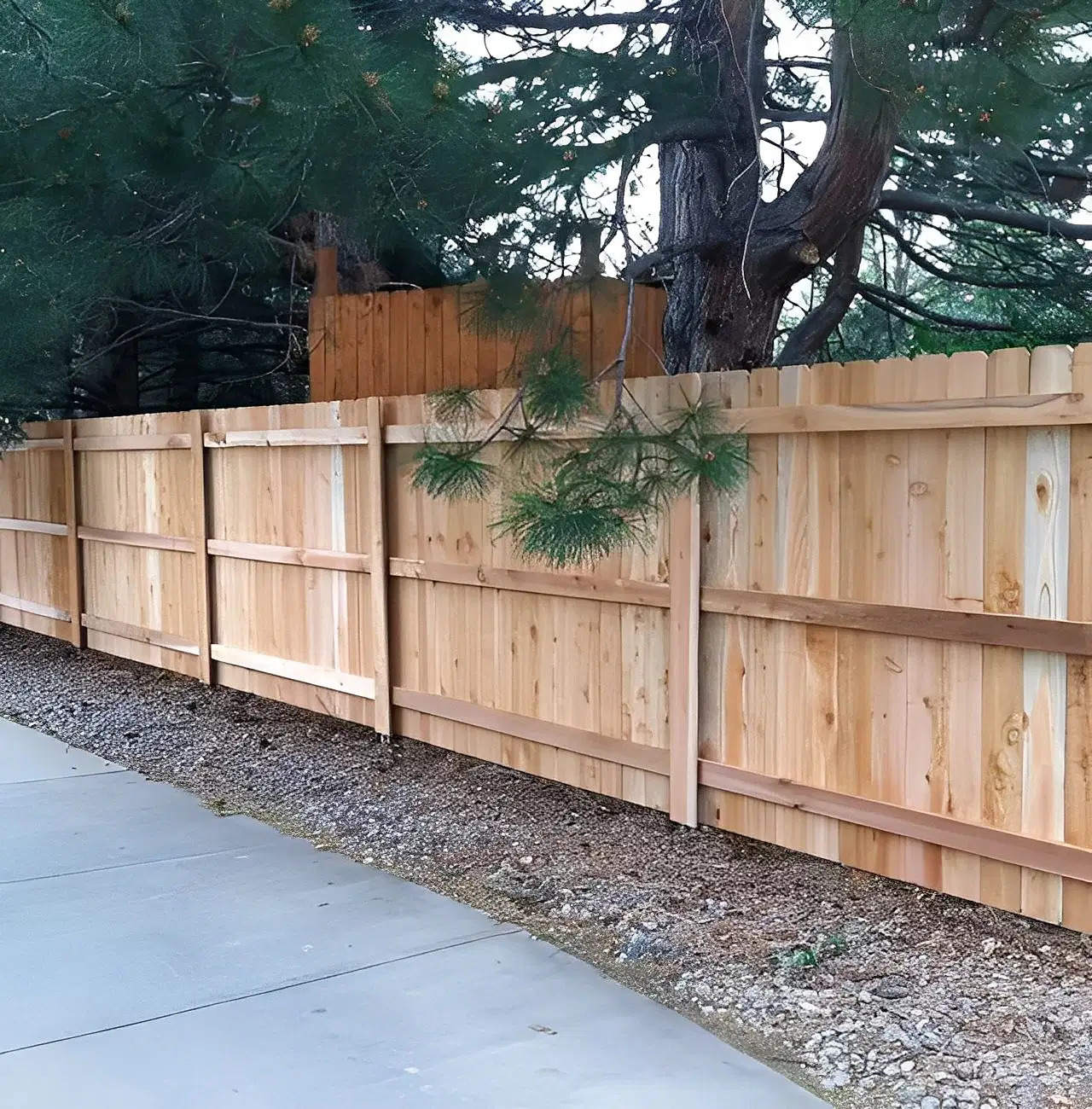
For residential properties, cedar fence installations remain a top choice. Cedar is naturally resistant to rot and insects, making it ideal for our climate. To combat high winds and ensure maximum stability, we utilize a premium-grade 3-rail structure for our cedar privacy fences. This extra horizontal support prevents warping and keeps the pickets securely in place, offering a significant upgrade over standard 2-rail systems.
If you are looking for a low-maintenance alternative that still offers excellent privacy and durability, our vinyl fence installations are engineered to resist fading and cracking under the harsh sun. Vinyl provides a clean, modern look that appeals to many homeowners in neighborhoods like Briargate and beyond.
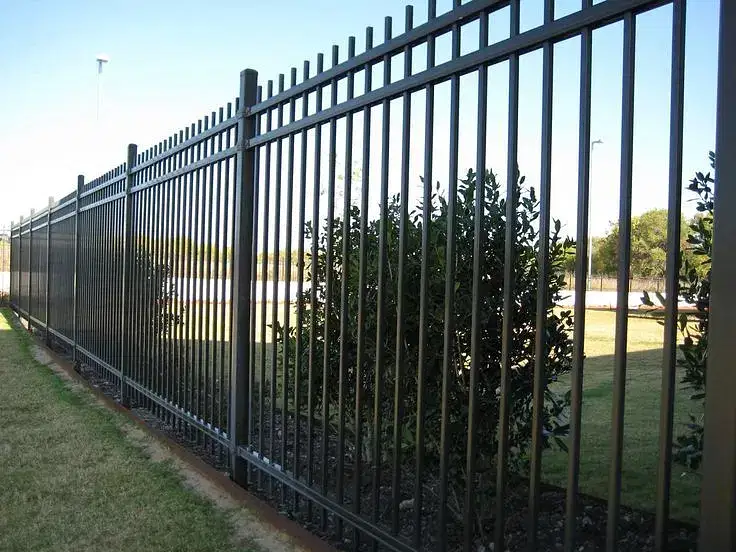
For our business clients, security and longevity are usually the top priorities. Our commercial fencing solutions frequently utilize heavy-duty ornamental iron or commercial-grade chain link. These materials provide uncompromising security and are installed with the same rigorous attention to foundation stability, ensuring your commercial property remains protected year-round.
Navigating Local Codes and Winter Weather
A common question we hear from homeowners is whether they need a permit from the Pikes Peak Regional Building Department (PPRBD) for their fencing project, or how to handle HOA approvals. Navigating these regulatory requirements can be a headache, but an experienced local contractor will guide you through the compliance process, ensuring your new fence meets all neighborhood guidelines and city codes regarding height, placement, and materials.
Another frequent concern is how our unpredictable winter weather affects project timelines. While heavy snow and freezing temperatures can occasionally pause outdoor construction, our experienced crews are adept at managing seasonal business fluctuations. We communicate transparently about scheduling through every step of the process and take extra precautions to protect your property during installation, ensuring that even winter projects are completed to our exacting standards without hidden fees or surprise delays.
Secure Your Property with Confidence
Dealing with expansive soils doesn't mean you have to settle for a leaning, unstable fence. By combining expert knowledge of local soil conditions with premium materials and dedicated craftsmanship, you can enjoy a beautiful, secure perimeter that stands the test of time.
If you are ready to upgrade your property with a fence built to last, reach out to the experts who know the Pikes Peak Region best. Contact us today to schedule your free estimate and discover the difference that true quality makes.